






for agencies running Meta ads

The research, the brief, the ads. Automated.

Drop in a client’s URL and get ranked ad concepts, a ready-to-send brief, and the creative to match.

first client brief free - no card

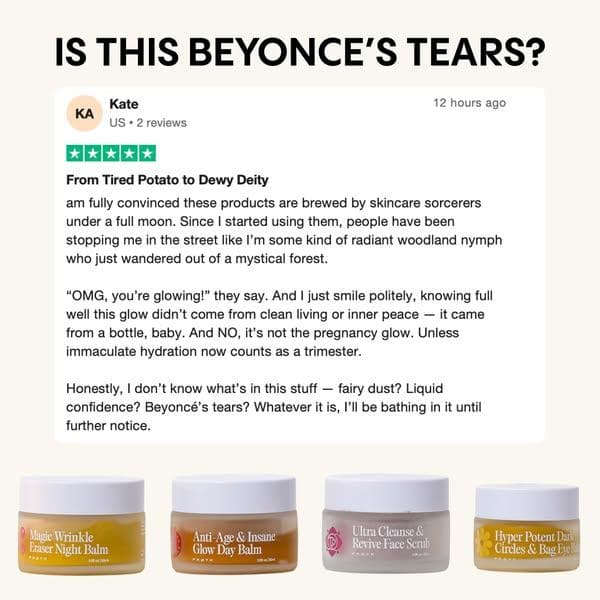
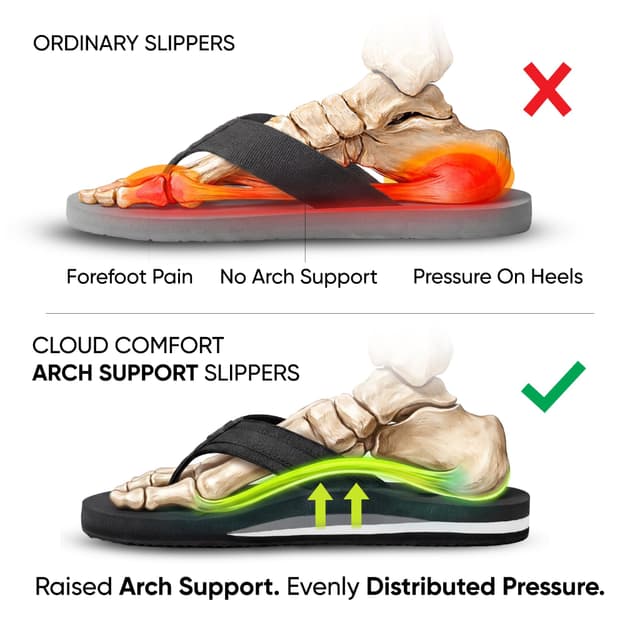
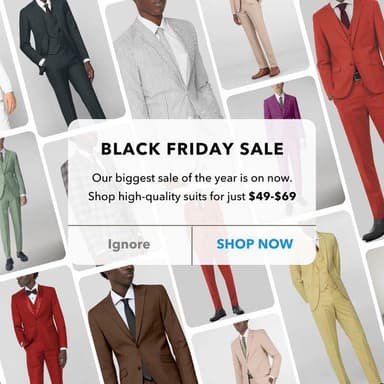
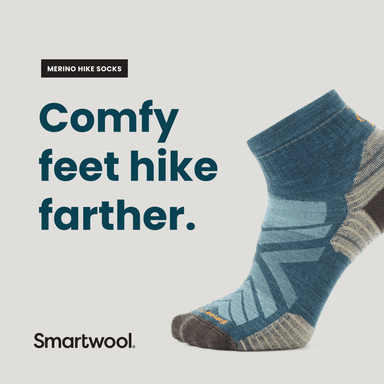
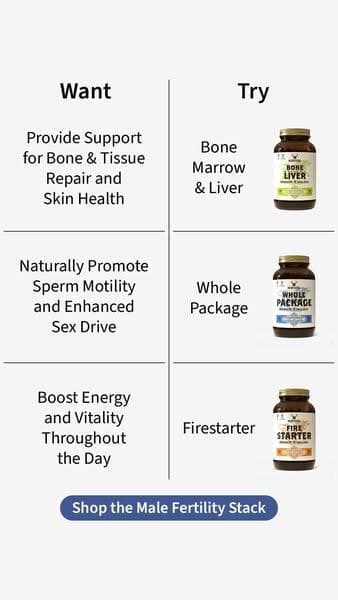
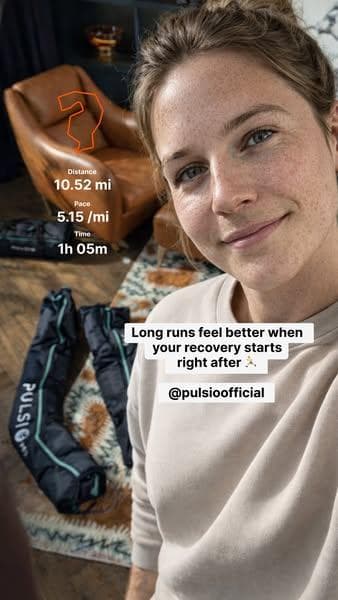
Demo Meta ad reskinned into the Asana brandDemo Meta ad reskinned into the ClickUp brandDemo Meta ad reskinned into the Grammarly brandDemo Meta ad reskinned into the Kinsta brandDemo Meta ad reskinned into the Notion brandDemo Meta ad reskinned into the Slack brand
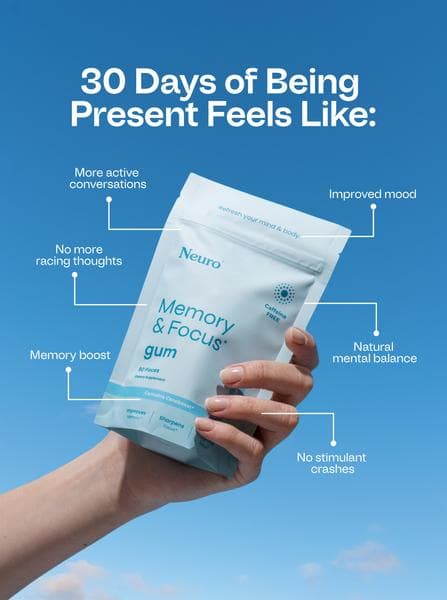
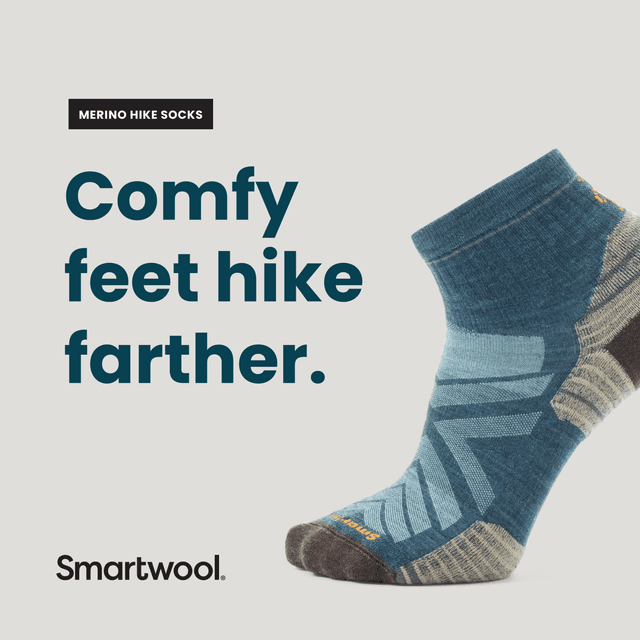
Demo Meta ad reskinned into the Chirp brandDemo Meta ad reskinned into the Gusto brandDemo Meta ad reskinned into the Mailchimp brandDemo Meta ad reskinned into the monday.com brandDemo Meta ad reskinned into the Zapier brandSecond demo Meta ad in the Notion brand
demo reskins - not customers

in the field

In daily use at a performance agency running Meta ads for established DTC brands.

7-9 figuresrevenue range of the client brands
$50k-$100k/moMeta spend on some of those accounts
days to minutesper-client research and briefing

no black box

Grounded in your client’s reality. Not guesses.

01 - measured, not guessed

It reads your client’s actual brand from their live site.

Loopy opens the client’s website the way a person would and writes down exactly what it sees: the colors they use most, their fonts, their logo. Nothing is guessed. Every concept and brief starts from who they actually are.

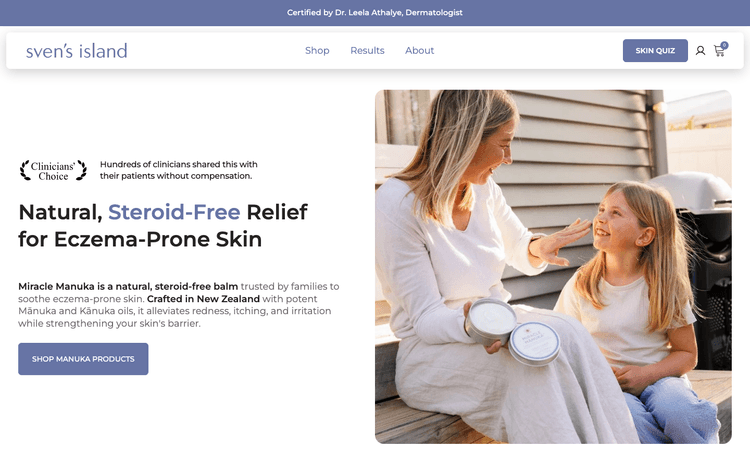
svensisland.com.au
The full svensisland.com.au page as Loopy scrolls and reads it
Loopy's brand profile for Svens Island: six measured colors with hex values, primary #232323, accent #6774A5, secondary #1F4034
Loopy's brand profile for Svens Island: typography measured as Montserrat headings, Arial body
what Loopy measured - brand profile, Svens Island
02 - real research

It researches who buys, and why, before writing a word.

Before a single concept, Loopy researches the client’s market: who the buyer is, what triggers them, what they object to, and what they do instead. It all lives in the brand hub, so every angle in the brief traces back to a real reason - not a guess.

Loopy's customer research for Svens Island: who buys, the triggers (a current eczema flare-up, a child with eczema), and objections (scepticism about another cream, concern about steroids)
research tab - customers, Svens Island
03 - ranked, then briefed

Concepts ranked by expected performance. You tick, it briefs.

From that research Loopy drafts concepts for every awareness stage - cold, comparing, ready to buy - and ranks them, with the reason for each rank in plain English. Tick the ones worth sending to a designer and the brief holds them all: copy variations, references, visual notes.

Stage tabs on the board: cold audiences, comparing options, ready to buy
The board for Svens Island: concepts ranked by expected performance - #1 proof, 2,800+ five-star reviews; #2 proof, only cream that soothes itch; #3 objection, 60-day money-back guarantee - each with its reasoning
the board - 15 concepts ranked for Svens Island, reasons included
04 - the loop, beta

And it keeps learning, run after run.

Every run reads the client’s site, reviews and forums, banks the customer language word for word, and distills it into pains, objections, failed alternatives and proof - each weighted by how many real verbatims back it. The next brief argues from what’s strongest. Connect Meta read-only and what actually performed joins that evidence. It’s early, and it’s live.

Loopy's research insights for superhuman.com, strongest evidence first: four pains (documentation scattered across tools, 30-40 emails a day), four failed alternatives (Gmail with shortcut hacks), six objections (price too high at $30 a month - 6 verbatims; iPad experience neglected - 4 verbatims), each with an evidence-strength meter and verbatim count, re-distilled each run
research insights - 20 insights from 37 customer verbatims, 35 pages read - superhuman.com

inside a loopy brief

One brand. One brief. Five different arguments.

Every brief organizes distinct concepts by customer awareness stage - so when Meta burns out one ad, the next one makes a different case, not the same case in a new color.

One concept inside a Loopy brief for Svens Island: tagged pain point, the competitor reference ad it borrows structure from, visual notes for the designer, label and support copy, and three headline variations with the first one rendered
one concept, as it appears in the brief - awareness stage, the reference it borrows structure from, visual notes for your designer, label and support copy, three headline variations, and the render. Brief for svensisland.com.au.

the other arguments in the same brief - headlines as written, tagged by the case they make

real brief, real copy - shown as Loopy wrote it, nothing retouched

who it’s for

The work before the creative work.

Every client, every round: days of homework before anyone designs anything.

the research

Per-client research is quietly eating your week.

Read the site. Dig through reviews and community threads. Pull competitor ads from the archive. Work out what to say. Hours per client, repeated forever - the least leveraged work in the building.

Drop in the client’s URL and Loopy does the reading - ranked ad concepts by angle and awareness stage, in minutes.

see it on a client’s brand ↗
the brief

Design waits on a brief nobody has time to write.

Nothing starts until someone chases assets, references and specs, then turns it all into something a designer or a client can actually run with.

Tick the concepts worth running and export a client-ready brief your team can start from immediately - renders included if you want them.

get a brief you can send ↗
1

Drop in the client’s site

Add their website plus anything they gave you - a deck, call notes, an old brief. Loopy builds the brand profile in about two minutes.

2

Tick the concepts worth running

Ranked ad concepts by angle and awareness stage. Pick your winners and Loopy cuts a client-ready brief you can export.

3

Hand it off or render it

Send the brief to your design team - or let Loopy render finished statics in feed and story sizes. Promote a winner to remix it.

beta - the loop

And it learns from your clients’ results.

Connect each client’s Meta and Google Analytics accounts, read-only, and Loopy studies what actually ran well on that account. Every lesson feeds the next brief. It's early, it's live, and it's the reason we called it Loopy.

what we kept hearing

We've talked to hundreds of agency operators, and they all say the same thing: AI-generated ads just aren't there yet. Off-brand colors, made-up product shots, that same template look everyone can spot. That's the problem we fixed - Loopy copies your client's real site and never invents pixels.

Our design partner runs ads for brands from 7 to 9 figures, with some accounts spending $50k-$100k a month on Meta. It was built against their bar - tell us which part of your workflow eats the most hours, and that's what we automate next.

the Loopy founders

want in? talk to the founders ↗

Fair questions.

Is this just another AI template tool?

No prompt box, no template picker. A real browser loads your client’s live site and measures the actual hex colors, fonts and logo on it; the angles come from real customer research and a competitor library ranked by how long Meta kept each ad running. Templates guess. We do the homework.

Will it invent things about my client’s brand?

No. The brand comes from their live site - measured colors, fonts and tokens - plus whatever they handed you: a deck, a design brief, call notes. Product screenshots are placed exactly as provided, never redrawn or imagined. If a reference ad’s look conflicts with the client’s brand, the client’s brand wins.

What actually happens on the call?

Twenty minutes with the founders. We drop in one of your client’s websites, you watch the research and first brief get built live, and we ask what part of your workflow eats the most time - your answers shape what we build next. Answering those earns your first client brief free, no card. If it’s not for you, you leave with the brief.

What formats do I get?

A client-ready creative brief you can export - concepts organized by awareness stage with full ad copy and references (it follows this brief template) - plus finished static ads in feed and story sizes, auto-saved to your library.

Can we shape the roadmap?

That’s the point. We’re building this alongside a small group of agency design partners: you tell us which part of running creative eats the most hours, we automate it next. Design partners shape the roadmap and get direct line to the founders.

What does it cost?

Your first client brief is free on a real client, no card. After that, plans start at $249 per month - quarterly billing takes 7.5% off and annual takes 15% - full pricing here.

Watch a client’s brief build itself.

Drop in one of your client’s websites, watch the research and concepts land, and tell us where your week actually goes - that earns your first client brief, free.

book 20 minutes with the founders

first client brief free on a real client - no card